

Solutions to Common Crane Parts Problems: Your One-Stop Technical Support Guide
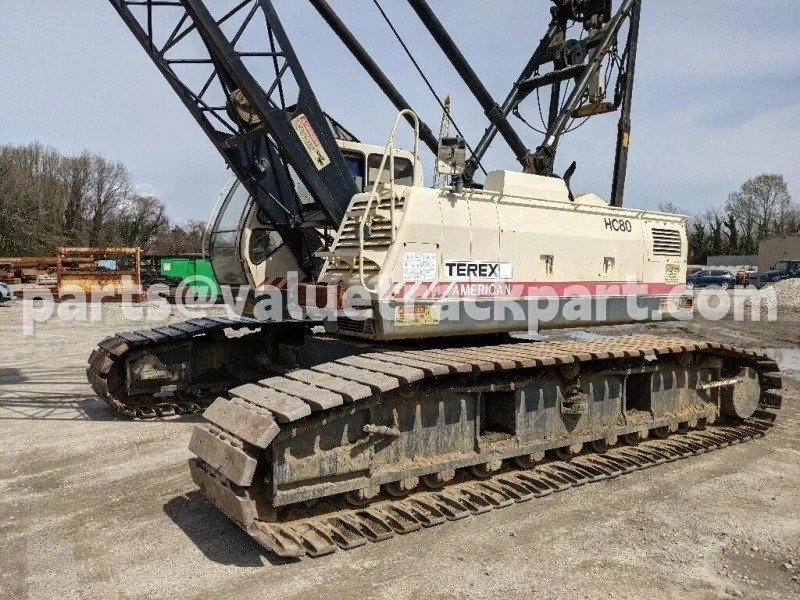
Failure of crane components can lead to production stoppages and safety risks. As a professional crane parts technical support staff, I will provide you with a detailed solution guide to help you solve common technical problems and ensure that your crane operates more efficiently and safely.
How to identify the failure of crane parts?
How to adjust and calibrate the crane parts?
How to avoid crane parts failure?
How to choose a suitable parts suppliers?
Question 1: How to identify the failure of crane parts?
1). Motor:
·Appearance features: heat, abnormal noise, odor.
·Abnormal operation performance: the motor cannot start, the speed is abnormal, the torque is insufficient, etc.
·Identification method: Observe the temperature of the motor casing, listen for abnormal noise, smell if there is a burning smell; use appropriate testing instruments to detect the parameters of the motor such as current and voltage.
2).Gear transmission system:
·Appearance features: gear wear, broken teeth, gear oil leakage, etc.
·Abnormal operation performance: increased noise, increased vibration, unsmooth transmission, etc.
·Identification method: check whether there is wear or broken teeth on the surface of the gear, and observe whether there is oil leakage in the gearbox; conduct noise and vibration tests, and compare the difference with normal operation.
3). Wire rope or chain:
·Appearance features: wear, broken wire, deformation, etc.
· Abnormal operation performance: loose rope or chain, knotted, rope skipping, etc.
Identification method: Check the surface of the rope or chain for wear, broken wire or deformation; observe the running state of the rope or chain, such as whether it is loose, knotted or skipped; check whether the tension of the rope or chain meets the requirements.
4). Hydraulic system:
·Appearance features: hydraulic oil leakage, oil pollution, etc.
Abnormal operation performance: slow lifting or lowering speed, heating of the cylinder body, unstable hydraulic pressure, etc.
·Identification method: check whether there is oil leakage at the joints and seals of the hydraulic pipeline; observe the color and cleanliness of the hydraulic oil, if there is sediment or blackening and thickening, it means oil pollution; measure the working pressure and temperature of the hydraulic cylinder.
5).Control system:
·Appearance features: Abnormal instrument indication, damaged control panel, etc.
·Abnormal operation performance: the control panel cannot be operated, the buttons are out of order, the crane is unstable, etc.
·Identification method: observe whether the indication of the instrument is consistent with the actual situation, check whether the control panel is damaged; test whether the response and function of the operation button are normal.
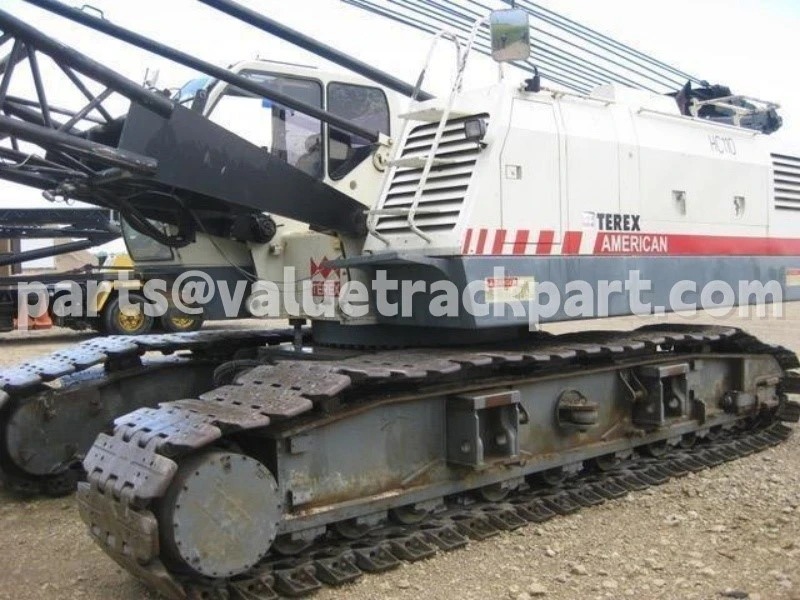
Question 2: How to replace crane parts?
1).Stop operation: Before replacing parts, first make sure that the crane is in a stopped state, and turn off the power supply or hydraulic system to ensure safety.
2). Safety protection: ensure that the crane is in a safe position, and use supports, safety locks or other safety equipment to fix and support the crane to prevent accidents caused by misoperation or parts falling off.
3). Safety tools: Use appropriate tools and equipment for replacement operations, follow relevant operating procedures, and ensure safe operation and correct installation of parts.
4). Professional technology: If you are not sure how to replace parts or the operation is too complicated, it is recommended to seek the help and guidance of professional technicians to avoid operating errors or causing greater damage.
5). Monitoring and testing: After replacing parts, test and check to ensure the normal operation and installation of new parts.
6). Follow the procedures: strictly abide by the maintenance and replacement procedures of the crane manufacturer, and do not replace or repair parts at will, so as not to affect the safety and performance of the crane.
7). Regular inspection: Regularly inspect and maintain the crane and its parts, prevent failures and accidents, and ensure the normal operation of the crane.
8). Keep records: timely record the crane maintenance and replacement parts, including the replaced parts, replacement time, maintenance personnel and other information, for future reference and traceability.
Tools and spare parts required for replacement of crane parts:
Tool list:
Wrench: Includes open-end wrench and wrench socket for tightening and loosening bolts and nuts.
Screwdriver and screwdriver: for removing and installing screws.
Pliers: such as water pump pliers, flat nose pliers, etc., used to fix and adjust parts.
Hammer: Used for striking and installing parts.
Hydraulic tools: such as hydraulic wrench, hydraulic puller, etc., used to operate the components of the hydraulic system.
Electric tools: such as electric wrench, electric screwdriver, etc., used to improve efficiency and convenience.
Measuring tools: such as calipers, measuring tools, etc., used to measure dimensions and angles.
backup list:
Parts: According to the needs of the crane, spare parts can include various mechanical parts, electrical components, hydraulic components, etc.
Seals: including various O-rings, gaskets, etc., used to seal parts.
Lubricating oil: Applicable lubricating oil and grease are prepared according to the lubrication requirements of the crane.
Electrical components: such as fuses, connectors, etc., used to replace faulty electrical components.
Sensors: used to detect and monitor the working status of the crane.
Controllers and Switches: Used to replace failed controllers and switching elements.
Fault diagnosis tools: such as multi-purpose computer, fault diagnosis instrument, etc., used to detect and eliminate crane faults.
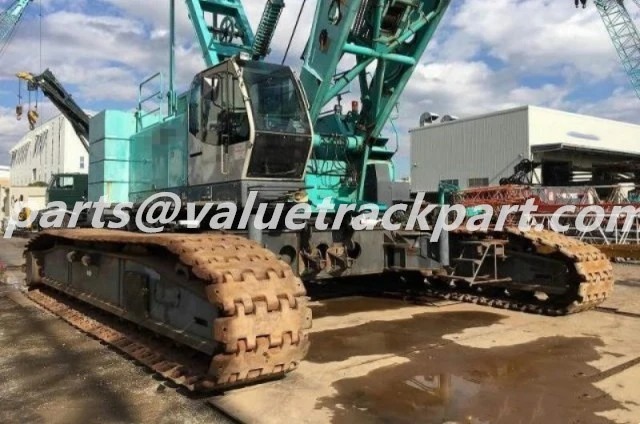
Question 3: How to adjust and calibrate the crane parts?
1). The importance of adjustment and calibration:
Guaranteed accuracy: Through adjustment and calibration, the working precision and accuracy of the equipment can be ensured, and errors and failures can be avoided.
·Improved safety: Correct adjustment and calibration can ensure the normal operation of equipment and reduce the risk of accidents.
Enhanced reliability: regular adjustment and calibration can detect potential problems and solve them in time, improving the reliability and service life of the equipment.
2) Steps and precautions for adjustment and calibration:
·Preparation: Understand the instruction manual and technical information of the equipment, and prepare the required tools and test equipment.
• Identify Standards: Locate appropriate standards or references to use to calibrate the equipment. Standards can be test equipment of known accuracy, or accurate data provided by an authoritative body.
·Adjustment of equipment: According to the adjustment method and requirements of the equipment, make corresponding adjustments. Ensure that the parameters and functions of the equipment meet the standard requirements.
·Calibrate equipment: Use standards or reference objects to calibrate equipment. Compare the measurement results of the equipment with the standard values and make adjustments to meet the accuracy requirements.
·Record and verification: record the results of adjustment and calibration, including parameters and measurement data before and after adjustment. Verify that the performance and accuracy of the device meets requirements.
3). Notes on testing and verification:
·Ensure the stability and consistency of the test environment and avoid the influence of external factors on the test results.
·Use appropriate test equipment and methods to ensure the accuracy and reliability of the test.
Carry out multiple tests, take the average value to reduce errors, and perform data analysis and processing.
·Comparing test results with standard values, evaluating whether the performance and accuracy of the equipment meet the requirements.
·If the test results do not meet the requirements, readjust and calibrate the equipment until the accuracy requirements are met.
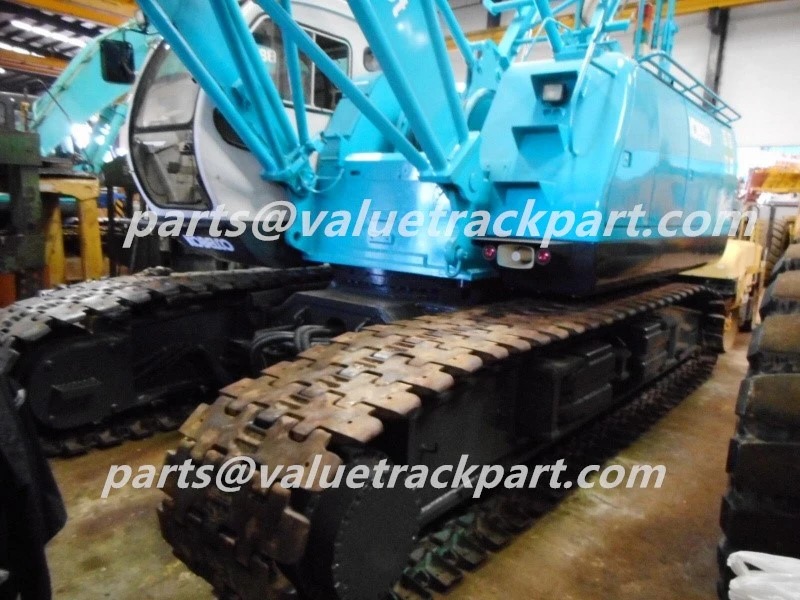
Question 4: How to avoid crane parts failure?
1) Preventive maintenance plan:
·Develop a regular inspection and maintenance plan, including cleaning, lubrication, fastening, adjustment and other operations.
·Accurately perform maintenance tasks according to the maintenance manual and technical data provided by the manufacturer.
·Develop appropriate maintenance frequency and maintenance items according to the working environment and usage conditions.
2) Fault warning signal:
·Install a fault warning system, including temperature sensors, vibration sensors, pressure sensors, etc., to monitor the working status of key components.
·Set the appropriate alarm threshold and alarm mechanism, when the sensor detects an abnormality, it will send out an alarm in time so that corresponding maintenance measures can be taken.
3) Regular inspection and maintenance:
·Regularly inspect key components such as crane wire ropes, brakes, pulleys, electrical systems, etc. to ensure they are intact and functioning properly.
· Regularly clean and lubricate key components such as bearings, pulleys, gears, etc. to reduce wear and friction.
·Regularly fasten the bolts and connectors to ensure the structural stability and safety of each part of the crane.
·Regularly calibrate and adjust sensors and control systems to ensure their accuracy and reliability.
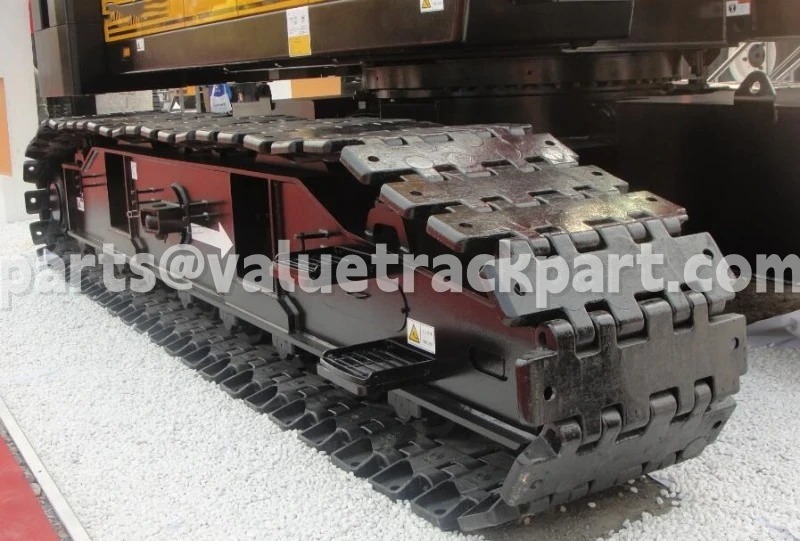
Question 5: How to choose a suitable parts suppliers?
1). Reliability and quality: When selecting a supplier, the reliability and quality of its products should be considered first. As a professional manufacturer of crane undercarriage parts, Shandong VM has ISO 9001 certification to prove our professionalism, and our transparent production allows our customers to rest assured to purchase our products.
2). Experience and Reputation: Choose an experienced and reputable supplier. Learn about the supplier’s experience in the crane industry and collaborate with other customers. We have more than ten years of production experience, have many distributors, and many old customers buy our undercarriage parts repeatedly, and we also sincerely conduct every transaction with our customers.
3). Product range and adaptability: ensure that the supplier can provide a comprehensive range of crane parts and has the ability to adapt to different models and brands. Shandong VM not only has more than 20 brands, but also includes more than 600 models, and also provides customized services.Guarantee you that we can buy the crane undercarriage parts you want from us.
4). Price and delivery time: compare the prices and delivery times of different suppliers. As an undercarriage parts supplier that has produced for more than ten years, shandong VM not only have the best price, but also the delivery time is very fast. For the basic models, we have all in stock and can pack and ship for you within three days. Make sure you can receive the goods in the shortest possible time and reduce the damage caused by time to the project.
5). Technical support and after-sales service: choose a supplier who can provide good technical support and after-sales service. The reason why many customers choose us is because our Shandong VM has good after-sales service. We will regularly return to customers, provide technical services, and understand the usage of customers to ensure that customers have a good experience.
6). Sustainability and compliance: Consider supplier sustainability and compliance. Find out if suppliers meet environmental and social responsibility standards, and comply with local laws and regulations.
7).Partnership and communication: establish a positive partnership and ensure that suppliers have good communication skills and responsiveness. Suppliers shall be able to answer questions, provide technical support and resolve issues in a timely manner.