


Crawler Crane Sprocket
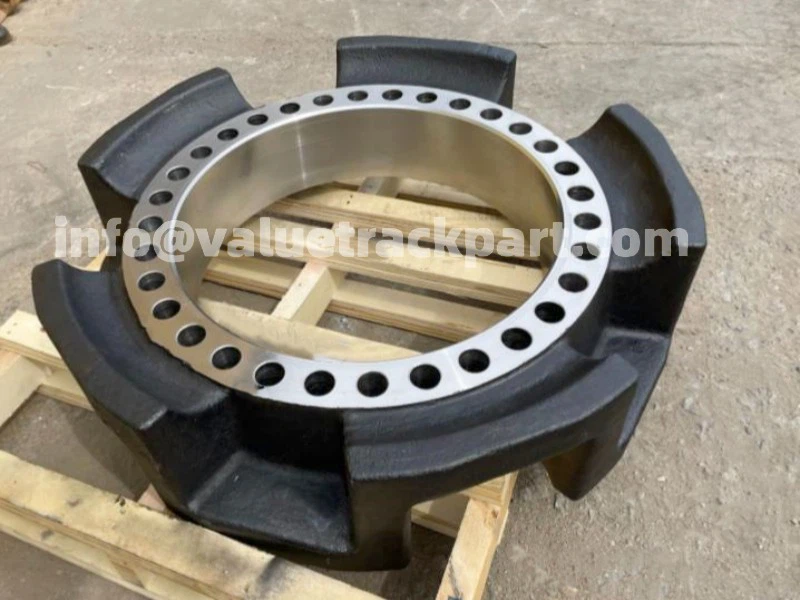
As a key Crane component, crawler crane sprocket plays a crucial role in driving the movement of the crane by engaging with the complete set undercarriage parts. It meshes with track shoe assembly, transferring power from the drive system to propel the crane forward or backward.
Typically, crawler crane parts of sprockets have teeth that match the pitch of the track shoe assembly. These teeth engage with the gaps between the track shoe, ensuring a secure and efficient transmission of power. Drive tumbler are usually made from high-strength alloy steels or other durable materials to withstand the heavy loads, abrasion, and stresses encountered during crane operation.
In daily using, the proper maintenance of the sprocket is essential to ensure smooth operation of the crawler crane. This includes regular inspection for wear and tear, lubrication, and timely replacement when necessary to prevent downtime and maintain operational efficiency.
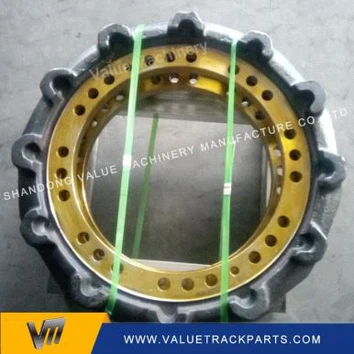


VM® sprocket advantages
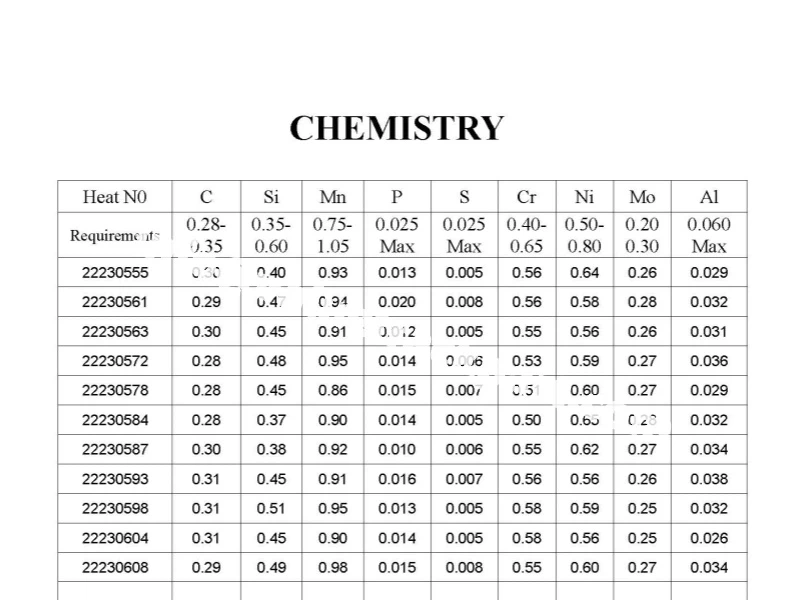
Durability and Strength
Designed from high-strength materials such as alloy steels, crawler crane sprockets are built to withstand heavy loads, abrasion, and impact. This durability ensures long service life and minimizes the need for frequent replacements, reducing downtime.
Precision Engineering
The teeth on crawler crane parts of sprockets are precisely machined to match track shoe assembly. This precision ensures smooth engagement and minimal wear between the drive tumbler and track shoe, contributing to overall operational efficiency.
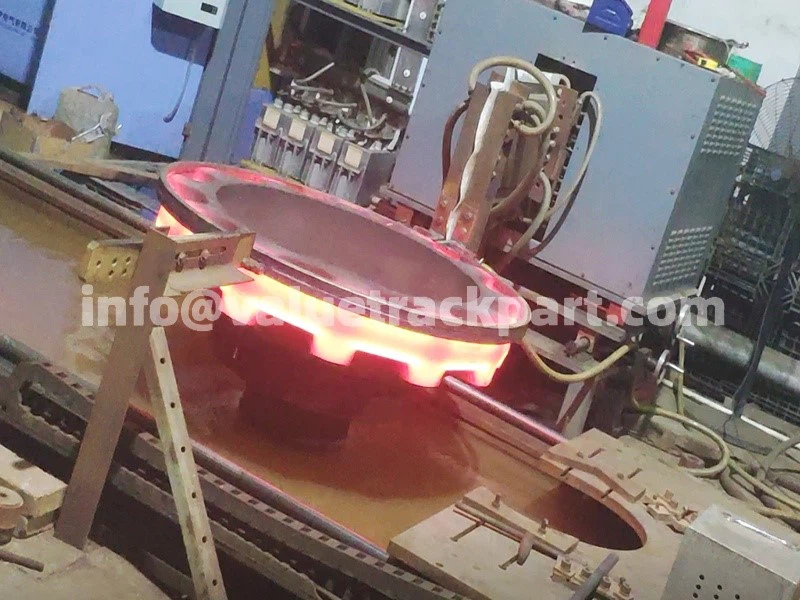
Adaptability to Harsh Conditions
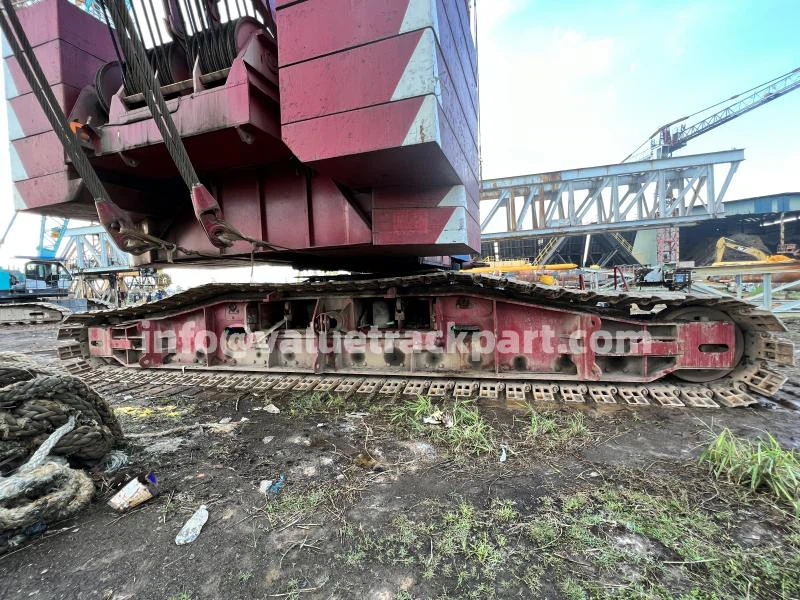
Crawler cranes operate in challenging environments, including construction sites, mining areas, and infrastructure projects. Sprockets are designed to withstand these harsh conditions, providing reliable performance in dusty, muddy, or high-temperature environments.The picture below is the feedback from our Indian customers about Demag CC2000 sprocket.
Types of Crawler Crane Sprocket
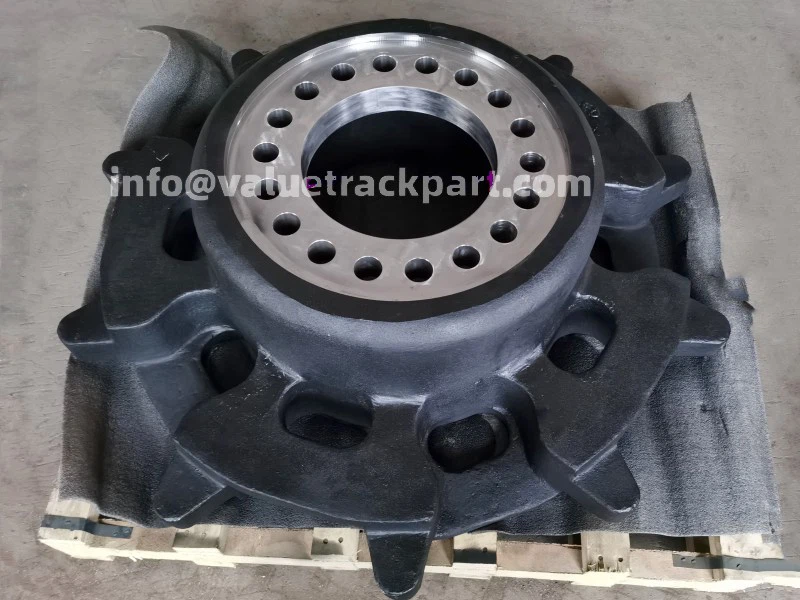
Bolt-type sprockets typically consist of a central hub with teeth (also known as sprocket teeth) extending outward. These teeth are designed to engage with the links of a chain or belt, transmitting rotational motion.
Around the perimeter of the hub, there are evenly spaced holes for bolts or studs. These holes are used to secure the drive tumbler firmly to a shaft or hub assembly. The number and spacing of these holes can vary depending on the crawler crane parts of sprocket size and application.

Spline-type sprockets have internal or external splines machined into their hubs. Splines are longitudinal ridges or teeth that fit into matching grooves (male or female) on a mating shaft or component.
Like other types of drive wheels, spline-type drive tumblers have teeth extending outward from the hub. These teeth engage with the links of a chain or belt to transmit rotational motion.
Spline-type sprockets are typically made from materials such as steel or alloy steel to provide strength, durability, and resistance to wear. The choice of material depends on the specific application and operational requirements.
Available brands
|
Hitachi Crane Sprocket |
Liebherr Crane Sprocket |
Hitachi Sumitomo Crane Sprocket |
Kobelco Crane Sprocket |
Manitowoc Crane Sprocket |
Sumitomo Crane Sprocket |
|
Demag Crane Sprocket |
IHI Crane Sprocket |
Link-Belt Crane Sprocket |
Nippon Sharyo Crane Sprocket |
Sany Crane Sprocket |
Fuwa Crane Sprocket |
|
Terex Crane Sprocket |
Lima Crane Sprocket |
XCMG Crane Sprocket |
Zoomlion Crane Sprocket |
Yutong Crane Sprocket |
More brands+ |

6.Why choose VM® sprocket?

Quality Assurance
Our team often invest heavily in research, development, and quality control processes. This ensures that VM crane sprocket meet stringent standards for performance, durability, and reliability. Using our crawler crane drive tumbler can reduce the risk of premature failure and costly downtime.
Compatibility
VM® crawler crane quality sprockets are designed to exact specifications and dimensions required for compatibility with specific equipment models. This ensures proper fitment and functionality, reducing the risk of operational issues or damage to other crawler crane parts.


Warranty Coverage
VM® crawler crane parts of sprocket come with warranty coverage, providing peace of mind against manufacturing defects or premature failures within a specified period. This can potentially reduce maintenance costs and downtime associated with repairs or replacements.
Technical Support:
VM® crawler track parts often offer technical support and expertise, including documentation, manuals, and access to trained service professionals. This support can be invaluable for troubleshooting, maintenance, and optimizing the performance of clients’ crawler cranes.

Steps Of Installing Crawler Crane Sprocket
Prepare Equipment: Before starting, gather all necessary tools and equipment required for the installation. Ensure that safety precautions such as wearing appropriate personal protective equipment (PPE) are followed.
Remove Old Crawler Crane Sprocket: Begin by detaching the old sprocket from the crane. Use appropriate tools to loosen and remove bolts securing the sprocket to the shaft. Carefully remove the sprocket and set it aside.
Inspect Components: With the old drive tumbler removed, inspect the mounting area on the shaft and surrounding components. Look for any signs of wear, damage, or debris that may affect the installation of the new sprocket.
Prepare New Crawler Crane Sprocket: Before installing the new drive wheel, ensure it is compatible with the crane model and specifications. Check the condition of the new sprocket, bearings, and any accompanying components.
Install New Crawler Crane Sprocket: Align the new drive tumbler with the shaft, making sure it fits snugly into place. Take care to align any keyways or alignment marks as per manufacturer instructions. Begin securing the drive tumbler by hand-tightening bolts.
Tighten Bolts: Using a torque wrench, tighten the bolts gradually and evenly in a cross-pattern. Refer to the crane's technical manual for recommended torque specifications to ensure proper fastening. This step helps evenly distribute pressure and ensures the sprocket is securely attached to the shaft.
Install New Crawler Crane Sprocket: Align the new drive tumbler with the shaft, making sure it fits snugly into place. Take care to align any keyways or alignment marks as per manufacturer instructions. Begin securing the drive tumbler by hand-tightening bolts.
Tighten Bolts: Using a torque wrench, tighten the bolts gradually and evenly in a cross-pattern. Refer to the crane's technical manual for recommended torque specifications to ensure proper fastening. This step helps evenly distribute pressure and ensures the sprocket is securely attached to the shaft.
Maintenance Tips For Crawler Crane Sprocket
Regular Inspections: Schedule routine inspections of the sprocket assembly. Check for signs of wear, damage, or misalignment. Inspect the teeth for any signs of excessive wear or deformation.
Lubrication: Proper lubrication is essential to reduce friction and wear. Follow the manufacturer's recommendations for the type and frequency of lubrication. Ensure all lubrication points are adequately greased.
Keep Clean: Keep the crawler crane parts of sprocket and surrounding areas clean from dirt, debris, and contaminants. Regularly remove buildup that could interfere with proper sprocket operation.
Monitor Tension: Check the tension of the crawler track regularly. Proper tension helps maintain correct crawler crane sprocket engagement and reduces wear on both the crawler crane sprocket and track.
Replace Worn Parts: Monitor the condition of the crawler crane sprocket teeth and replace the crawler crane drive tumbler when teeth are worn down beyond acceptable limits. Promptly replace any damaged or worn-out components to prevent further damage to the sprocket or other crane parts.
Alignment Checks: Periodically check the alignment of the sprocket with other drive components and the crawler tracks. Misalignment can cause premature wear and reduce efficiency.
Operational Practices: Train operators on proper operational practices, such as avoiding sudden accelerations or decelerations that can stress the crawler crane sprocket assembly. Encourage smooth, controlled movements to minimize wear.
Environmental Considerations: Be mindful of the operating environment. Extreme temperatures, abrasive materials, and harsh conditions can accelerate wear on the sprocket. Take appropriate measures to protect the drive wheels in challenging environments.
Documentation and Records: Keep detailed records of maintenance activities, inspections, and any issues encountered. This documentation helps track sprocket performance over time and informs future maintenance decisions.
Professional Maintenance: For complex inspections or major maintenance tasks, consider involving qualified technicians or service professionals with expertise in crawler crane maintenance.
FAQ
Q: 1.What materials are crawler crane parts of sprockets usually made of?
Q: 2.How often should crane sprockets be replaced?
Q: 3.What causes crane sprockets to wear out?
Q: 4.How can I extend the life of crane sprockets?
Q: 5.Can crane sprockets be repaired?
Q: 6.Can you provide OEM quality sprocket for crawler crane?
Q: 7.What safety precautions should be taken when replacing crawler crane sprockets?
Q: 8.How do I determine the correct size of replacement crane sprocket?
Q: 9.What maintenance records should I keep for crane sprockets?
Q: 10.How long does it take to ship the crawler crane sprockets?
As one of the leading crawler crane sprocket manufacturers and suppliers, our factory provides high quality crawler crane undercarriage parts for dealers. We warmly welcome you to wholesale quality crawler crane sprocket from our factory. for OEM service, contact us.